Selected engineering work
Project index.
A selection of recent projects I’ve designed and developed independently in my own time, spanning multi-tenant infrastructure and privacy-first applications. Explore the architecture, implementation, and outcomes behind each project.
RabbitmeMessaging & task managementGo / Vue / RabbitMQ / NATS–
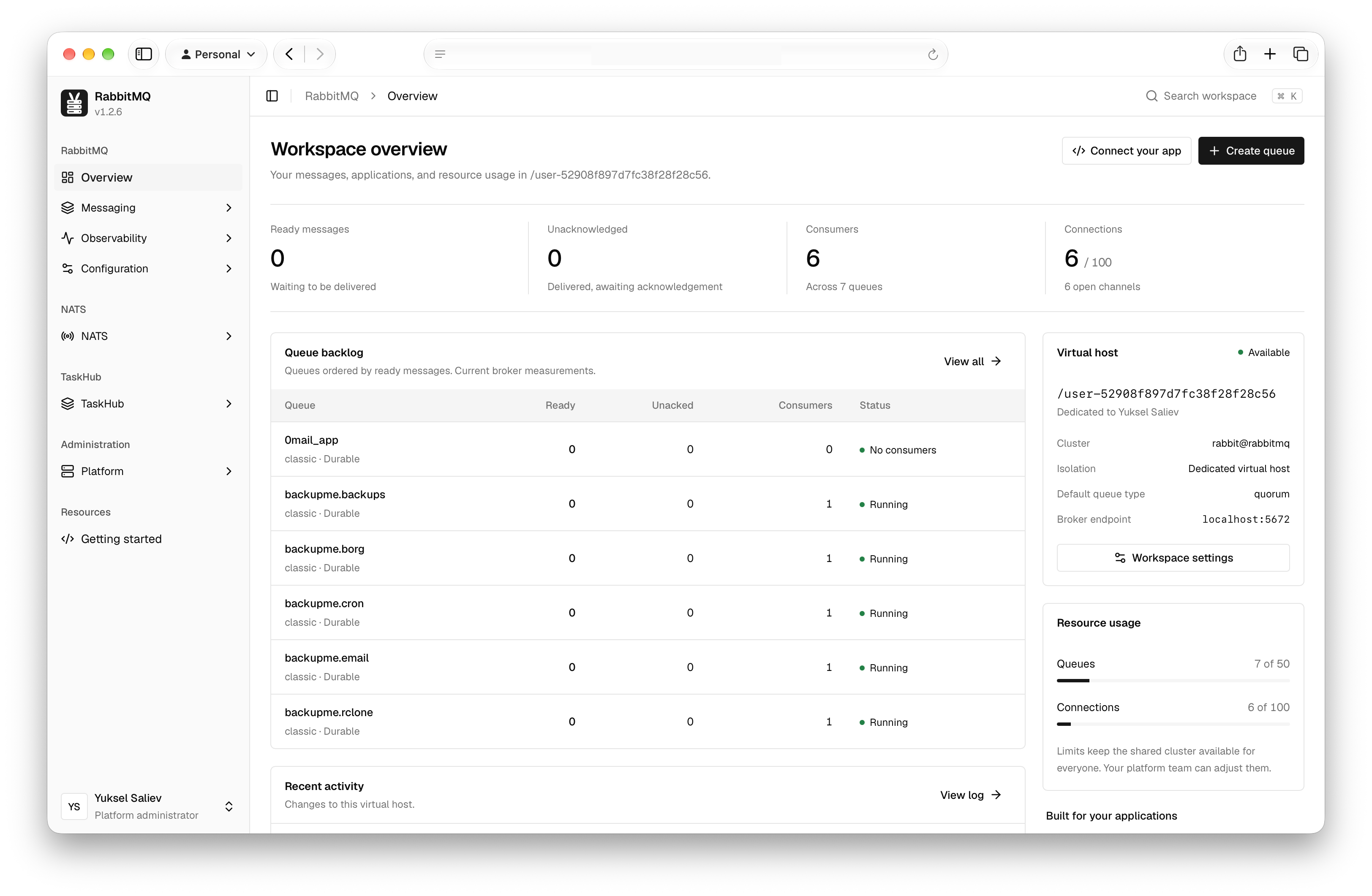
Messaging infrastructure your team can actually work with. Rabbitme brings broker management, live visibility, and background jobs into one workspace, with tenant isolation and a worker protocol that keeps broker credentials out of external applications.
- Engineering scope
- Messaging & task management
- Technology
- Go · Vue 3 · MySQL · RabbitMQ · NATS JetStream
The problem
Running background work means managing messages, permissions, workers, and failures. Developers need a clear way to operate that system and understand what happened to a job.
Architecture & decisions
I built the Vue interface, Go API, broker integrations, and TaskHub protocol around explicit access boundaries. Tenant authorization lives on the server; external workers process tasks without receiving broker credentials.
Outcome
A complete workflow from organization sign-in to messaging setup and task execution, with the monitoring, audit history, and configuration recovery needed to operate it.
Implementation details
- RabbitMQ management: Queue, exchange, binding, and policy management, message publishing and retrieval, connection monitoring, and message transfers through dynamic Shovels.
- NATS integration: Isolated accounts, scoped credentials, and management of JetStream streams and consumers.
- TaskHub: A task processing system with capability-based worker matching, configurable concurrency, timeouts, retries, execution history, and saved results.
- Authentication and access control: OAuth/OIDC single sign-on, automatic workspace provisioning, administrator and member roles, and server-side tenant authorization.
- Monitoring and auditing: Live interface updates, broker health metrics, historical charts, activity logs, and CSV exports.
- Configuration recovery: Versioned configuration snapshots and administrator-controlled restoration.
- Deployment: Docker Compose environments with database migrations, persistent storage, and automated NATS identity setup.
TablelaneDatabase & developer toolsGo / Vue.js / Wails 3 / GitLab2026
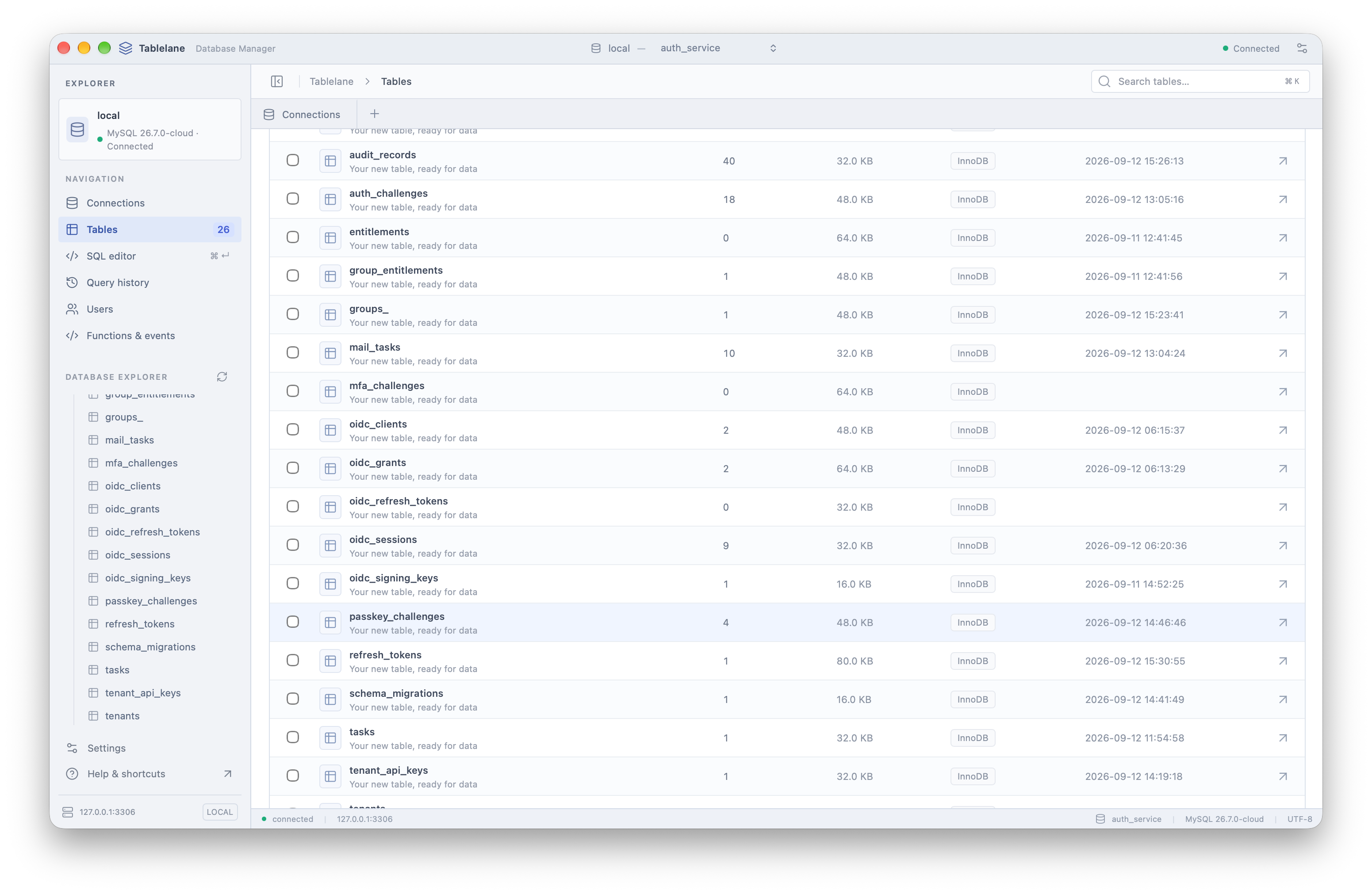
A cross-platform MySQL workspace with schema tools, secure connection options, and optional AI assistance.
- Engineering scope
- Database & developer tools
- Technology
- Go · Vue.js · Wails 3 · GitLab
The problem
Database work often requires switching between data browsing, SQL editing, schema changes, and connection tools.
Architecture & decisions
Keep credentials in the system keyring and support SSM tunnels for private AWS databases. Make AI assistance optional and let users review generated SQL before choosing what runs.
Outcome & scale
A free desktop workspace for macOS, Windows, and Linux, supporting MySQL 5.5–8.4 with data editing, schema management, and query tools.
Implementation details
- Supports MySQL 5.5–8.4 on macOS, Windows, and Linux.
- Saved connection profiles with credentials stored in the system keyring.
- Built-in AWS SSM tunnels for access to private AWS databases.
- Table browsing with filtering, sorting, cell editing, row changes, and CSV export.
- SQL editor with table-aware completion, formatting, snippets, and query history.
- Column, index, and foreign-key editing with version-aware checks and generated CREATE / ALTER SQL for review.
- Optional OpenAI assistant using the user’s own API key; messages, inspected schema, and enabled context are sent to OpenAI.
- AI-generated SQL is reviewed in the editor, with execution controlled by the user.
Multi-Tenant RADIUS Authentication PlatformInfrastructure · Networking · SecurityGo / FreeRADIUS / Vue / Docker2020–present
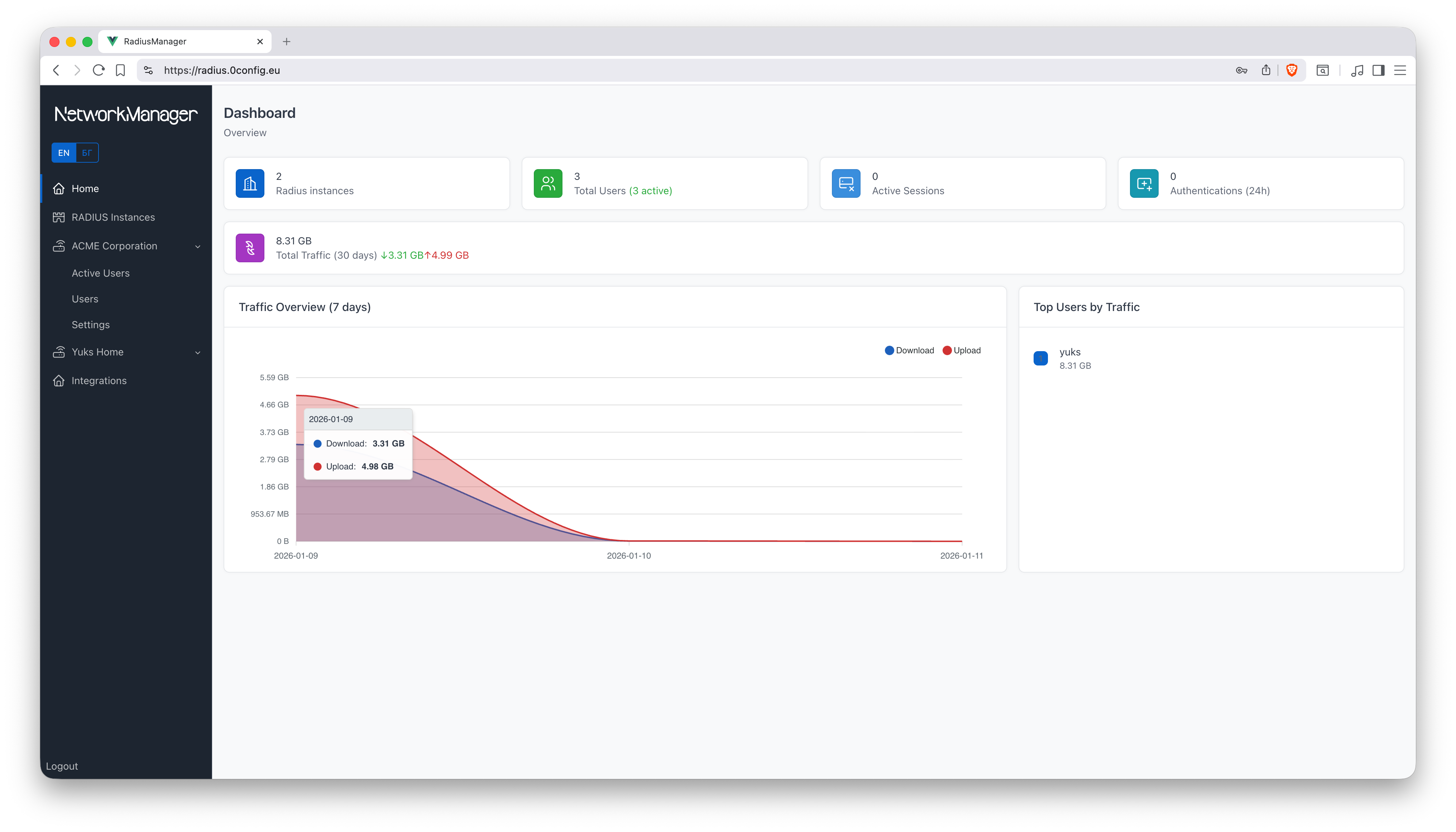
Containerized multi-tenant RADIUS authentication platform designed for enterprise WiFi networks. Enables WiFi service providers to deliver secure WPA2-Enterprise access at scale with real-time session visibility, bandwidth accounting, and tenant isolation.
- Engineering scope
- Infrastructure · Networking · Security
- Technology
- Go · FreeRADIUS 3.x · Vue.js · Docker
The problem
Manage Wi-Fi access for multiple organizations while keeping their users and policies isolated.
Architecture & decisions
Keep tenant policies and data isolated while exposing provisioning through REST APIs. Package the platform in Docker for reproducible deployments.
Outcome & scale
Deployed in schools and municipal organizations in Bulgaria. Published capacity: 10,000+ concurrent sessions and 500–1,000 authentications per second.
Implementation details
- Supports 10,000+ concurrent RADIUS sessions with 500–1,000 authentications per second
- Multi-tenant architecture with strict tenant and data isolation
- FreeRADIUS 3.x.x integration with custom Go backend
- Full EAP-PEAP / MSCHAPv2 authentication support for WPA2-Enterprise networks
- Vue.js admin dashboard for tenant, user, and policy management
- Real-time session tracking, bandwidth accounting, and traffic visualization
- Automated user provisioning and session lifecycle management via REST APIs
- Containerized deployment using Docker for reproducible and scalable operations
- Deployed in production environments across schools and municipal organizations in Bulgaria
0mail.appPrivacy & messagingGo / gRPC2025
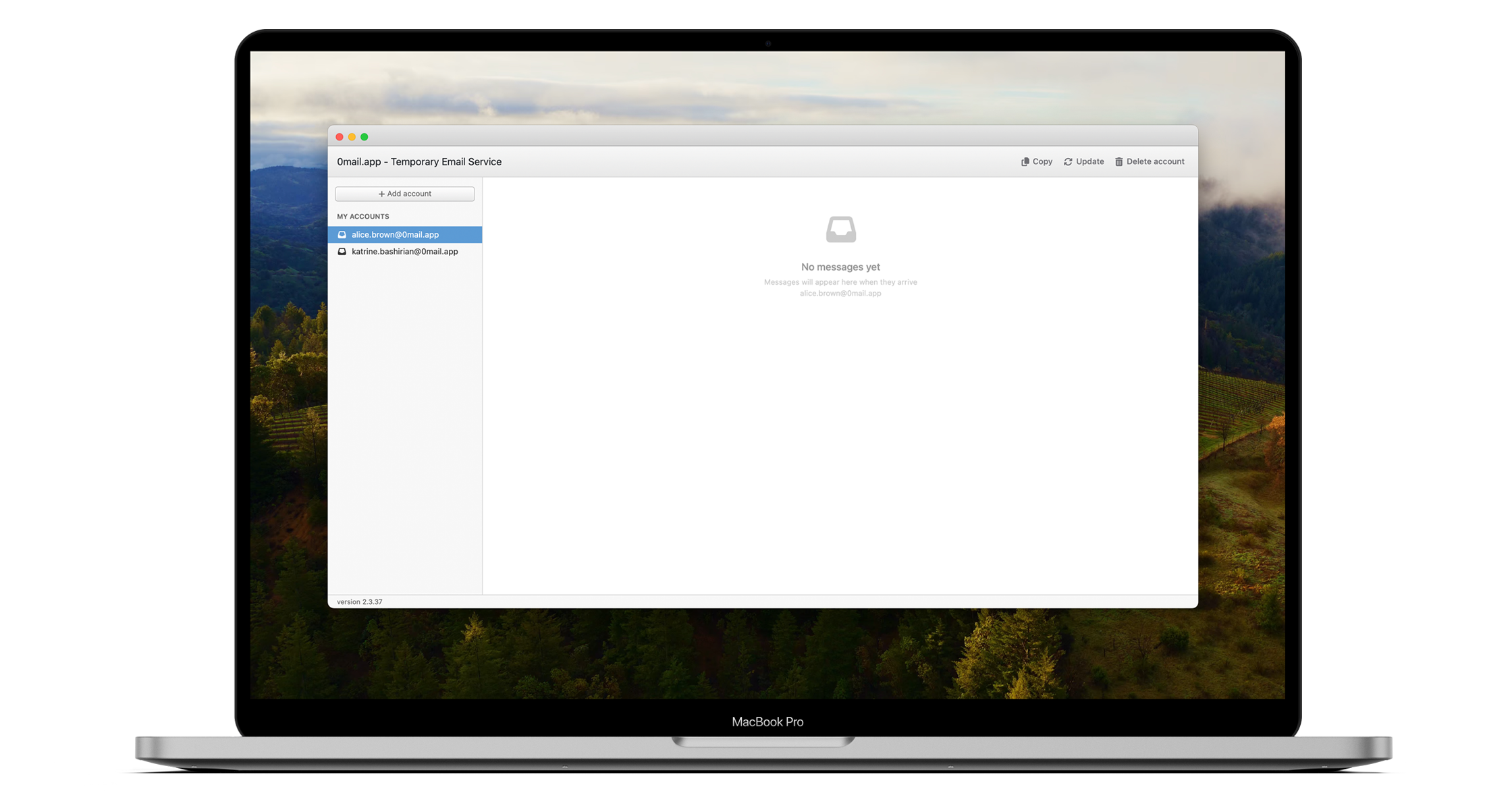
A disposable inbox that protects your everyday email address.
- Engineering scope
- Privacy & messaging
- Technology
- Go · gRPC · Web & mobile
The problem
Receive a verification email without handing over a permanent address or creating another account.
Architecture & decisions
Keep services stateless where possible and remove messages after one hour. A short data lifecycle limits storage requirements as well as privacy exposure.
Outcome & scale
Published operating figures: 200k+ emails per day on a virtual machine costing approximately $4/month.
Implementation details
- Instant disposable email addresses without registration or personal data collection
- Processes 200k+ emails per day on a low-cost (~$4/month) virtual machine
- Entirely written in Go with gRPC used as the internal communication layer
- Cross-platform availability: web app, mobile (Android & iOS), and desktop
- Automatic email deletion after one hour for enhanced privacy
- Support for email attachments and email-based verification flows
- Completely free service with no hidden charges or premium tiers
- Stateless architecture where possible, enabling easy horizontal scaling if needed
- Aggressive data lifecycle management (automatic deletion after 1 hour) to minimize storage and privacy risk
Welcome DashboardConnected devicesTV clients / MQTT / API2024–present
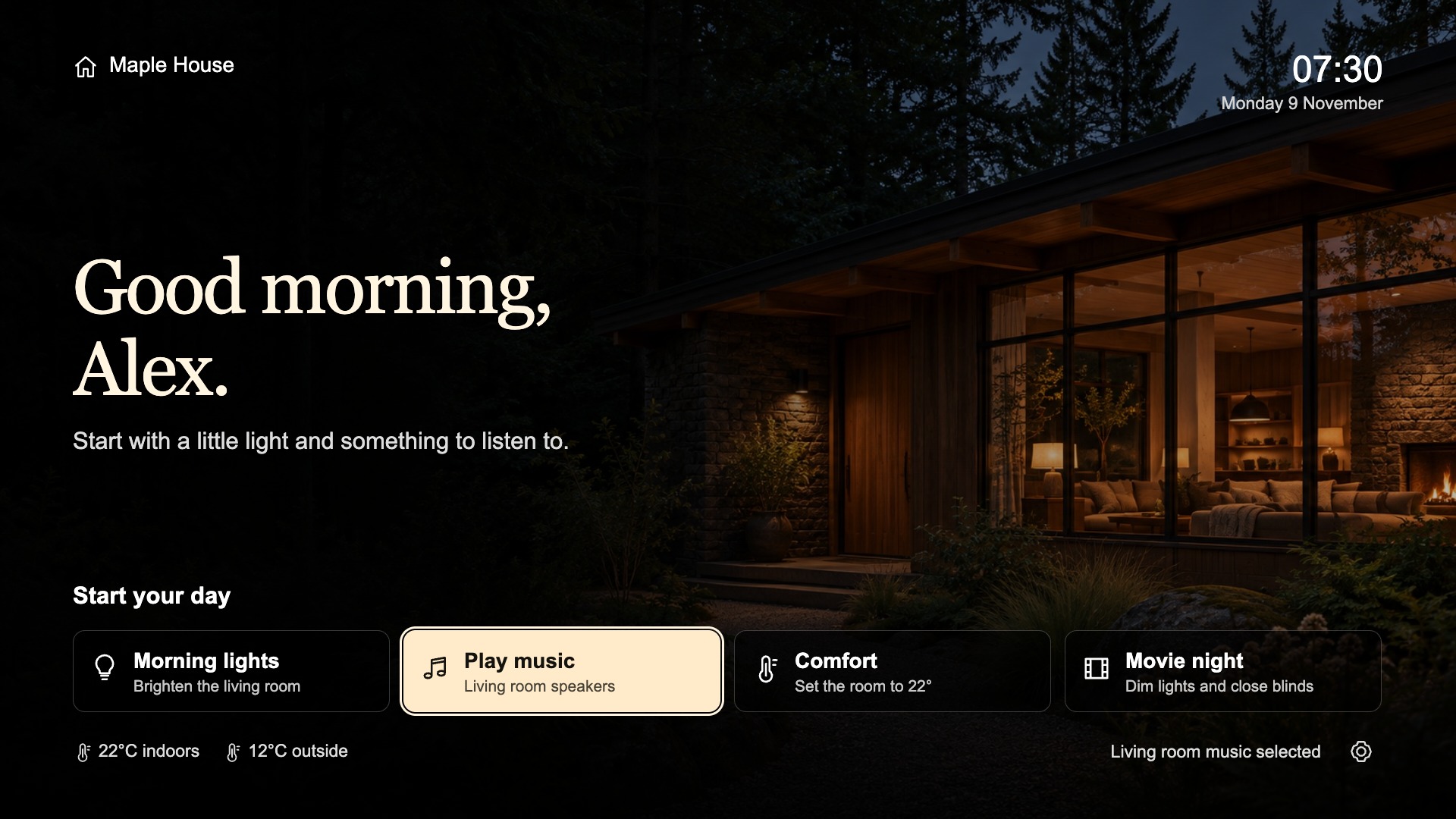
A personalized TV welcome screen for hotel rooms and homes, combining guest greetings, useful shortcuts, and live information through automations and MQTT.
- Engineering scope
- Connected devices
- Technology
- TV apps · MQTT · Home Assistant
The problem
Originally built to greet guests by name on LG webOS hotel-room TVs, using automations and MQTT. Later expanded for home use, inspired by my interest in Apple tvOS and LG TVs.
Architecture & decisions
Separate configuration in the web editor from device-side actions. Cache the last valid configuration on each TV and keep MQTT and home automation integrations optional.
Outcome & scale
Individual configuration for each paired TV, with greetings, remote-controlled shortcuts, and live home readings.
Implementation details
- Separate device pairing and configuration for each TV.
- Last valid configuration cached locally during temporary connection interruptions.
- Optional direct MQTT connections, readings API, and Home Assistant discovery.
- Remote-controlled shortcuts can open compatible apps or send HTTPS requests.
- Clients for Apple TV, Android TV / Google TV, and LG webOS.
Simple IPTV PlayerMedia & native appsSwiftUI / tvOS / VLC2025
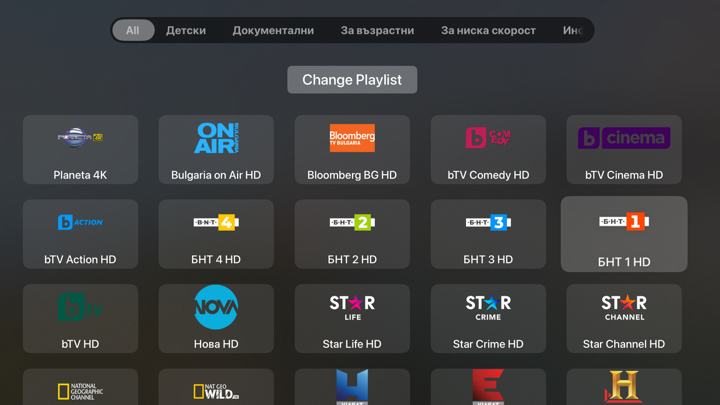
A focused, native player for Apple TV.
- Engineering scope
- Media & native apps
- Technology
- SwiftUI · tvOS
The problem
Play personal channel playlists through a simple interface designed for a remote.
Architecture & decisions
Use a native remote-first interface with VLC for broad format support. Accept standard M3U playlists and expose playback to Home Assistant.
Outcome & scale
Native Apple TV playback without advertising, tracking, or a required cloud account.
Implementation details
- Native SwiftUI application built specifically for Apple TV (tvOS)
- Fast startup and instant channel loading with smooth IPTV playback
- No ads, no tracking, and no cloud dependency, fully privacy-first
- Wide streaming format support powered by the built-in VLC engine
- Supports HLS (.m3u8), MPEG-TS, RTSP/RTP, HTTP & HTTPS streams
- Supports UDP multicast & unicast, MPEG-DASH, Icecast, and Shoutcast
- Plays common media formats: MP4, MKV, AVI, FLV, WebM, and more
- Home Assistant integration for direct channel playback
- Supports media_player.play_media with URL content type
- Subtitle and audio track selection directly from the player UI
- Universal M3U playlist support with no vendor lock-in
- Direct channel playback through iptvplayer:// deep links
Heic2JPEGOn-device processingmacOS / HEIC / JPEG2024
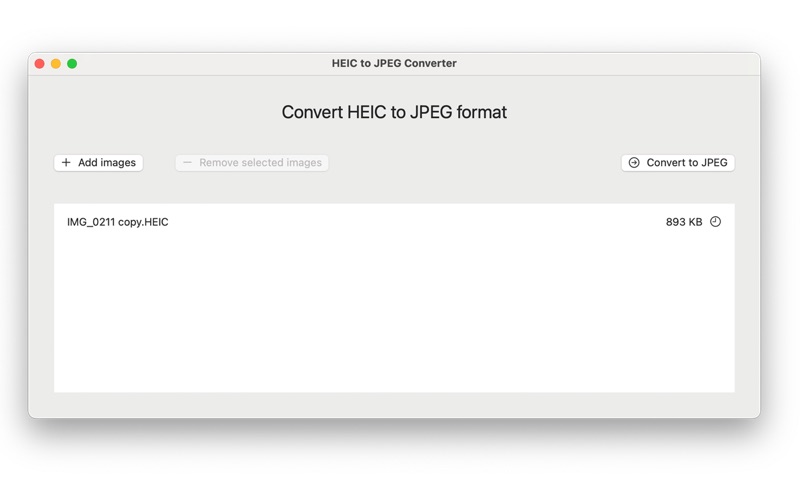
A lightweight macOS app for converting HEIC and HEIF images to JPEG, with batch processing and no cloud uploads.
- Engineering scope
- On-device processing
- Technology
- macOS · Image conversion
The problem
HEIC photos are not supported by every device or application.
Architecture & decisions
Perform conversion on the device and support batch processing, keeping personal photos out of a remote conversion service.
Outcome & scale
JPEG output for wider compatibility, with local processing and preserved image orientation.
Implementation details
- Batch conversion of HEIC and HEIF files to JPEG
- Drag-and-drop input with a selectable output folder
- Per-file progress: waiting, converting, done, or failed
- Preserves image orientation during export
- Local processing on the Mac without cloud uploads
KV StorageHome automation toolsHome Assistant / Python / SQLite2026
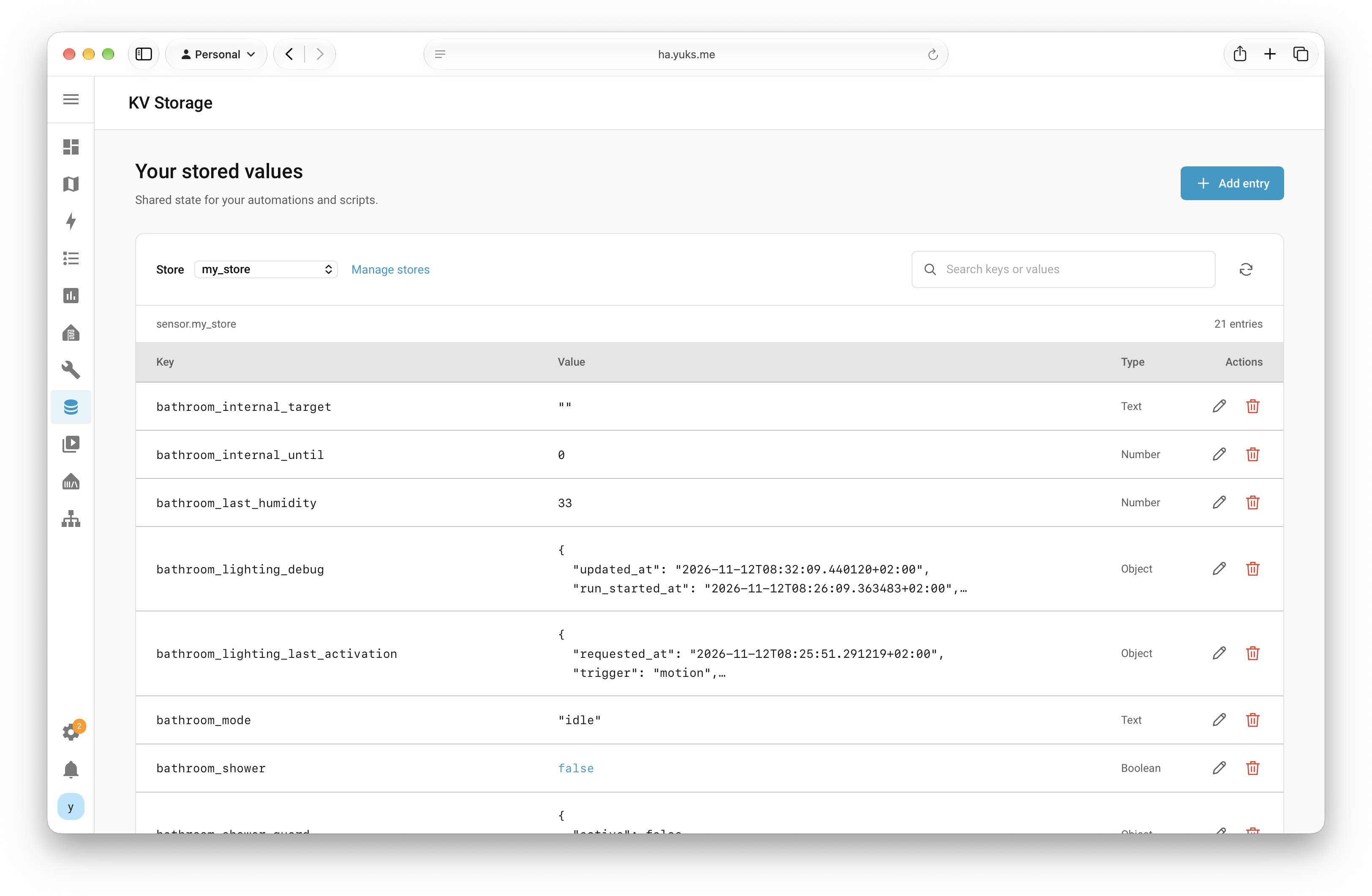
Persistent key-value storage for Home Assistant, with named stores, automation actions, and a live management panel.
- Started
- 2026
- Engineering scope
- Home automation tools
- Technology
- Home Assistant · Python · SQLite · JavaScript
The problem
Give Home Assistant automations persistent, structured data that users can inspect and manage without leaving their dashboard.
Architecture & decisions
A Python integration connects Home Assistant sensors and actions to local SQLite storage. Writes are committed before sensor state is updated, and database work runs outside Home Assistant’s event loop.
Outcome & scale
Automations can retain structured data across restarts, while users inspect and manage it in the same Home Assistant workspace. Storage stays local and is included in backups that contain the Home Assistant configuration.
Implementation details
- Independent named stores backed by a local SQLite database.
- Set, get, and delete actions for automations and scripts, with structured response data.
- JSON values: strings, numbers, booleans, null, arrays, and objects.
- Live, searchable management panel with value types and add, edit, and delete controls.
- Theme-aware, mobile-friendly interface without external JavaScript dependencies.
- Installation through HACS as a custom repository, or manually; requires Home Assistant 2024.12 or newer.
AI Commit Message GeneratorDeveloper tools · AIIntelliJ Platform / OpenAI2026
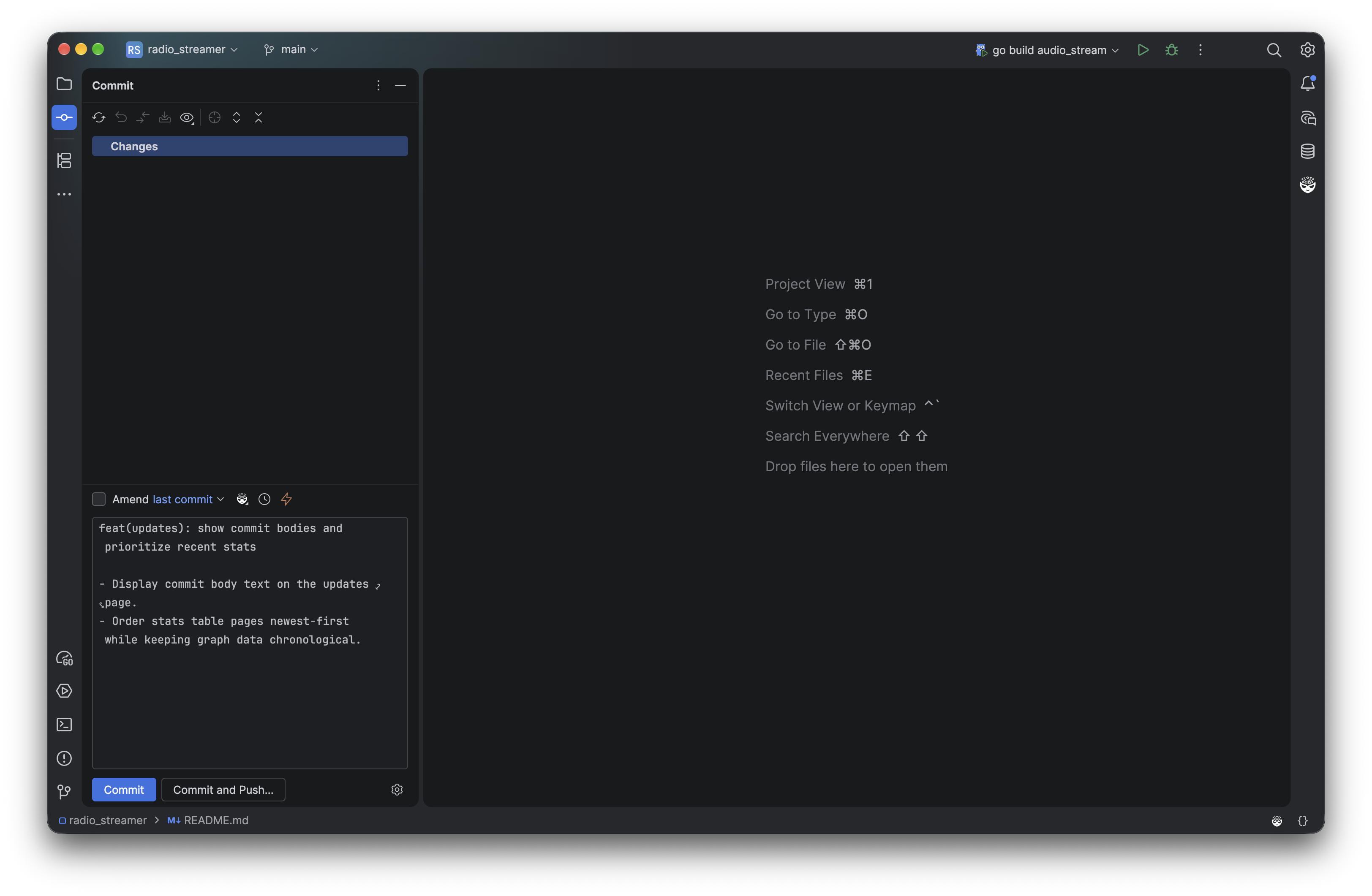
A JetBrains IDE plugin that drafts editable Git commit messages from selected changes using OpenAI.
- Published
- 2026
- Platform
- IntelliJ IDEA · GoLand
The workflow
Select changes in the Commit window, generate a draft, and review it before committing.
Architecture & decisions
Native IDE integration with the OpenAI Responses API, configurable prompts, and credentials stored in JetBrains Password Safe.
Outcome
Editable commit messages in the existing Git workflow. The developer controls what gets committed and pushed.
Implementation details
- Generate a commit message from the changes selected in the Commit window.
- Choose an OpenAI model and customize the prompt, including branch and date placeholders.
- Store the API key in JetBrains Password Safe.
- Optionally include selected unversioned files without staging them.
- Preserve the current draft if it is edited while generation is running.
- Review and edit the result before committing; the plugin never commits or pushes.
Personal projects. Capacity and operating figures are from my published project notes.
Have something in mind?